

Plastic Surgery After Weight Loss in the GLP-1 Era: What to Expect

GLP-1 medications have changed how thousands of patients reach their goal weight, and they are changing what comes next. If you have lost significant weight with medications similar to Ozempic®, Wegovy®, or Zepbound®, you may find that your skin and body contours haven't quite caught up with your new size. Plastic surgery after GLP-1 weight loss has become one of the fastest-growing reasons patients seek out Richmond body contouring, because for many patients, surgery is the step that finally completes the transformation their medication started.
How GLP-1 Medications Are Changing Weight Loss
More of Dr. Aboutanos' patients are reaching significant weight loss through GLP-1 medications like semaglutide and tirzepatide, rather than through diet and exercise alone or bariatric surgery. Oral GLP-1 formulations expected in 2026 may bring this kind of weight loss within reach for even more patients. However the weight comes off, Dr. Aboutanos sees the same result again and again in consultation: loose skin and deflated tissue that will not resolve on its own, no matter how disciplined the effort was to get there.
The American Society of Plastic Surgeons' 2024 Procedural Statistics Report found that more than 800,000 aesthetic patients used GLP-1 medications to support their weight loss in 2024, and 39% of them were considering a surgical procedure. Dr. Aboutanos expects that number to keep climbing as more patients settle into a stable weight.
Why Skin Doesn’t Bounce Back After GLP-1 Weight Loss
If you've done everything right and still have loose skin, that isn't a failure on your part. Skin and the tissue beneath it stretch to accommodate weight gain over months or years, and once significant weight comes off, that stretched skin often can't fully retract on its own. Age, genetics, and how much weight was gained and lost all play a role in how much skin remains.
Losing weight quickly, which GLP-1 medications are known for, can make skin laxity more pronounced than slower, lifestyle-driven weight loss does, because the skin and supportive tissue have far less time to gradually adjust. Dr. Aboutanos wants her patients to understand that skin laxity comes down to anatomy, not effort. No amount of strength training or skin care routine will fully restore elasticity that's already been lost.
Common Trouble Areas After GLP-1 Weight Loss
Four areas come up most often when Dr. Aboutanos evaluates patients after major weight loss, and it isn't only the body that changes.
Abdomen
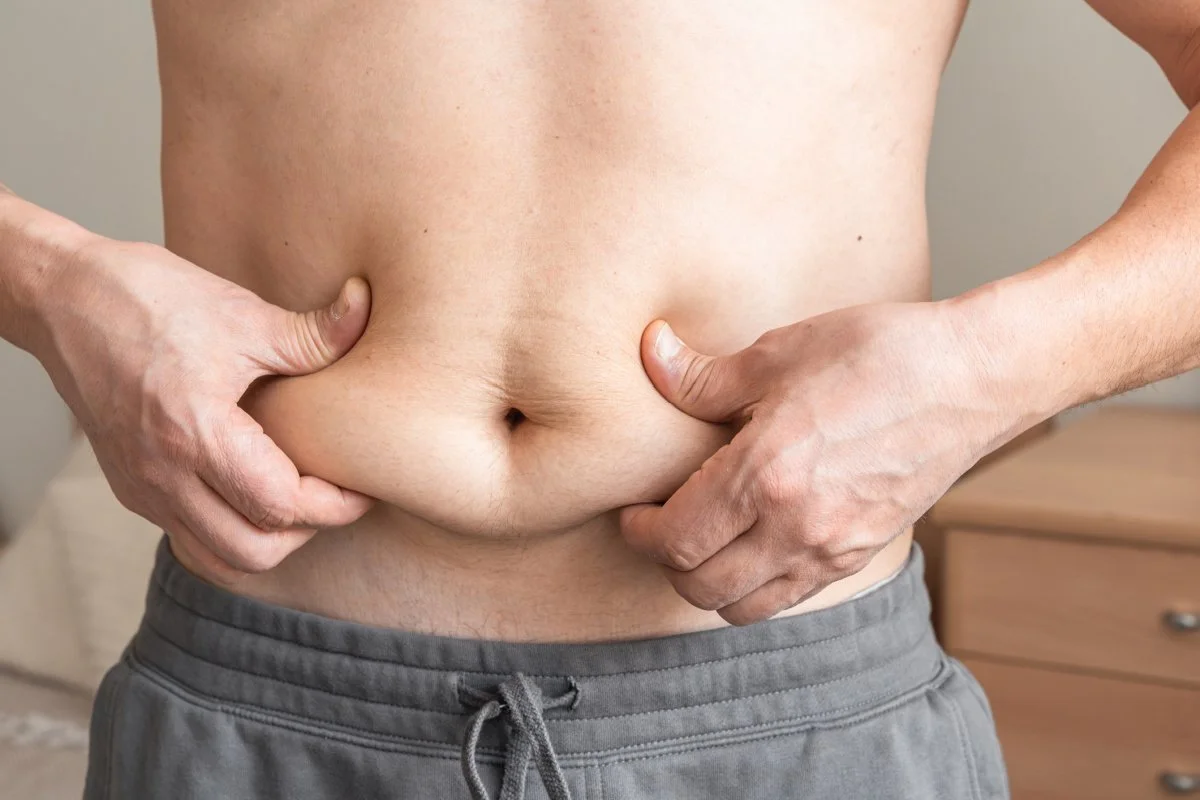
Loose abdominal skin and weakened or separated muscles are the most common concerns Dr. Aboutanos sees after significant weight loss. A tummy tuck removes the excess skin and repairs the underlying muscle structure, addressing what weight loss on its own cannot.
Arms
The upper arms often keep loose, hanging skin long after the rest of the body has caught up, sometimes called a "bat wing" appearance. Dr. Aboutanos addresses this loose skin with an arm lift, which removes the excess tissue and tightens what remains for a smoother contour.
Breasts
Dr. Aboutanos routinely sees patients whose breasts have lost volume and started to sag after significant weight loss. The same combination of volume loss and sagging is driving demand for breast lift surgery across her practice more broadly, as patients look to restore breast position and shape after their bodies have changed size.
Face
Rapid weight loss changes the face as much as the body. Volume loss along the cheeks, jawline, and neck, sometimes called "Ozempic face," can leave patients looking older or more tired than their weight loss otherwise reflects. Dr. Aboutanos addresses this volume loss with facelift and neck lift procedures that restore fullness and tighten skin that has lost support.
Because the right approach there depends so heavily on individual anatomy, Dr. Aboutanos prefers to address those concerns one-on-one during a consultation rather than point to a single standard procedure.
When to Consider Timing Surgery After GLP-1 Weight Loss
Weight stability matters for every post-weight-loss patient, and Dr. Aboutanos treats it just as seriously for patients who reached their goal weight on a GLP-1 medication. Some patients do experience weight regain after stopping GLP-1 therapy, which is exactly why she wants to talk timing through with you rather than rush ahead.
Instead of applying a fixed number of months to every patient, Dr. Aboutanos looks at:
How long your weight has remained stable
Whether you're still on medication, tapering off, or finished
Your overall health and anything that could affect healing
Whether your expectations for results and recovery are realistic
This individualized review is a conversation Dr. Aboutanos has with each patient, not a rule applied the same way twice. What's right for one patient's timeline may not be right for yours.
What Makes This Different From “Traditional” Post-Weight-Loss Surgery
Dr. Aboutanos is noticing a real shift in who's sitting across from her at these consultations. Patients who reach their goal weight through GLP-1 medications are often younger, in better baseline health, and arriving at a stable weight faster than the patients plastic surgeons have traditionally seen after major weight loss.
That shift changes how she plans surgery. Dr. Aboutanos adjusts her recommendations, procedure combinations, and recovery expectations for this newer patient population rather than reaching for the same playbook she might have used for post-bariatric patients a decade ago.
Building a Personalized Plan After GLP-1 Weight Loss
Body contouring after weight loss is almost never a single procedure. Dr. Aboutanos builds a plan around each patient's specific areas of concern, skin quality, and goals, often combining more than one procedure into a single recovery period. She takes this same approach with her Richmond mommy makeover patients, tailoring the mix of procedures to what your body actually needs rather than handing you a standard package.
Frequently Asked Questions About Plastic Surgery After GLP-1 Weight Loss
How is plastic surgery after GLP-1 weight loss different from surgery after bariatric surgery?
The surgical goals are similar. Both remove excess skin and restore contour. But Dr. Aboutanos finds that GLP-1 patients tend to be younger and reach a stable weight faster, which shapes how she plans the surgery and which procedures she recommends together.
How long should I wait after GLP-1 weight loss before scheduling surgery?
It depends less on the calendar and more on where you are in your journey. Dr. Aboutanos wants to see your weight settled before scheduling, and if you're still losing weight or your dose is changing, she'll likely recommend checking back in a few months rather than locking in a date now.
Will I need more than one procedure after GLP-1 weight loss?
Many patients do. Dr. Aboutanos often combines a tummy tuck with an arm lift or breast lift into one recovery period, and she'll walk you through whether that makes sense for your goals during your consultation.
Does taking a GLP-1 medication affect anesthesia or surgery planning?
Yes. Specific anesthesia guidelines apply to patients currently taking a GLP-1 medication, and Dr. Aboutanos reviews them with every patient at their pre-operative appointment so there are no surprises going into surgery.
Schedule Your GLP-1 Body Contouring Consultation with Dr. Aboutanos
If a GLP-1 medication helped you reach your goal weight and you're now left with loose skin, lost facial volume, or lost body volume that diet and exercise can't touch, Richmond plastic surgeon Dr. Sharline Aboutanos would be glad to sit down with you. She takes the time to understand your weight loss journey and build a plan around your specific anatomy and goals, so your outside finally matches the work you've already put in.
To schedule a consultation, call 804-355-3410 or contact Dr. Aboutanos online.