

Richmond Laser Skin Resurfacing: A Before-and-After Care Guide
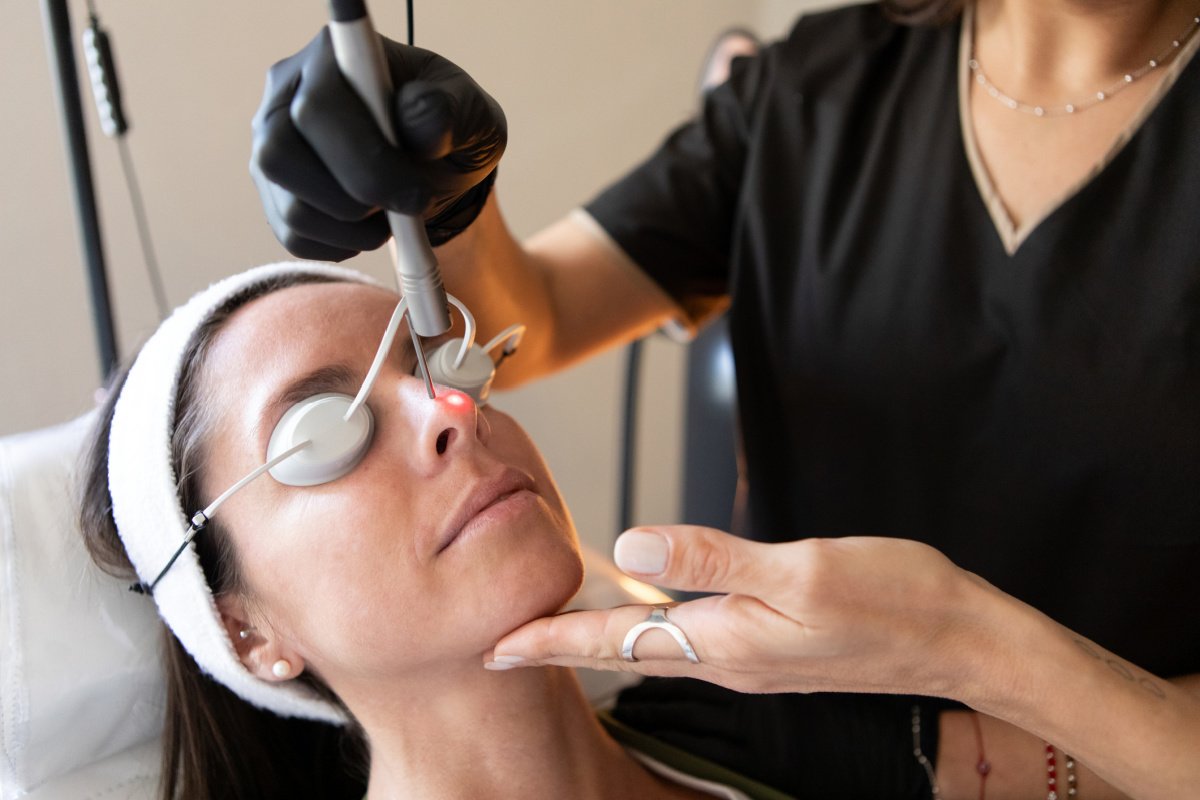
Patients get the best results from laser skin resurfacing when they give their skin a little time to prepare beforehand, then follow the aftercare steps closely afterward. Richmond plastic surgeon Dr. Sharline Aboutanos walks every patient through that timeline before recommending a CO2RE or UltraClear treatment, since the laser itself only takes an appointment, while the results unfold over the weeks on either side of it. Fall is when her Richmond laser skin treatments calendar fills up fastest, and the timeline below shows why this season makes the whole process easier to manage.
Caring for Your Skin Before a Laser Treatment
Sun Exposure
2-4 weeks before: Tanned or sunburned skin holds more pigment at the surface, and a laser treats that layer directly. Consistent sunscreen use in the weeks leading up to treatment gives Dr. Aboutanos a more even, more predictable surface to work with.
Retinoids and Exfoliating Acids
2 weeks before: Retinol, glycolic acid, and salicylic acid all thin the outer layer of skin, which raises irritation risk once a laser is involved. Dr. Aboutanos has patients pause these products two weeks out unless she directs otherwise for a specific treatment plan.
Cold Sore History
Patients with a history of oral herpes should flag it before their appointment. The laser can trigger an outbreak, and a preventive antiviral prescription beforehand heads that off.
Skin that's had a few weeks to calm down before treatment gives Dr. Aboutanos a more even, more predictable surface to work with.
The Day of Treatment
Patients arrive with clean, makeup-free skin and skip waxing, chemical peels, or any other exfoliating treatment in the area for at least a week beforehand. CO2RE and UltraClear are both done in the office, and most patients need nothing more than a topical numbing cream.
After Your Laser Resurfacing Treatment
The First 48 Hours
Redness and mild swelling are expected, similar to a sunburn. Dr. Aboutanos has patients apply a thick layer of a petroleum-based ointment to the treated area to keep it moist, which supports faster healing and lowers the chance of scarring. Hydration matters here too. Dry, cracked skin heals more slowly than skin that stays consistently moist.
Days 3 Through 7
This is the peeling window, most noticeable after CO2RE treatment, when the outer layer of damaged skin sheds on its own. As tempting as it might be, picking or scrubbing at peeling skin raises the risk of scarring and discoloration, so it's best left alone.
Downtime looks different depending on which laser Dr. Aboutanos recommends:
UltraClear can be dialed from a gentle setting with little to no visible downtime up to a stronger setting with several days of pinkness.
CO2RE resurfaces more deeply and typically involves 5 to 7 days of swelling and peeling before patients are comfortable going out without makeup.
Weeks 2 Through 6
Redness fades gradually as new skin continues to strengthen underneath. According to the American Society of Plastic Surgeons, pinkness in the treated area commonly lasts two to three months after resurfacing, and that skin needs continued sun protection the entire time.
Most patients can also reintroduce retinol and glycolic acid products around the six-week mark, once new skin has strengthened, though Dr. Aboutanos confirms exact timing based on how each patient's skin is healing.
Long-Term Aftercare
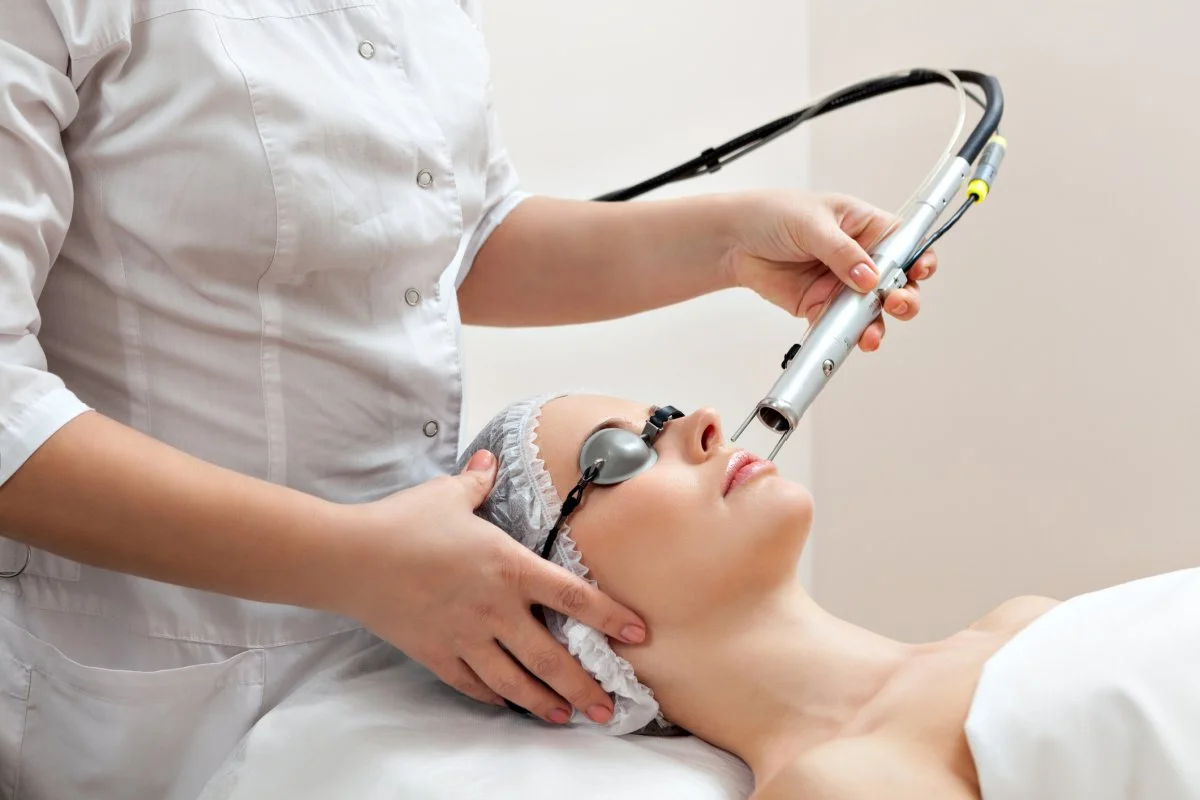
Long term, results should last as long as they're protected. Using SPF 50 sunscreen daily, following a gentle skincare routine, and staying off tanning beds are what keep new collagen production working in your skin’s favor.
Why Fall Makes This Easier
None of these instructions change based on the calendar. What changes is how easy they are to actually follow. Shorter days and cooler weather mean less incidental sun exposure on the school run, the walk to the car, or a Saturday errand, all the moments where sun protection habits tend to slip in July. Richmond's fall calendar also runs lighter on pool days and beach trips, so avoiding direct sun for a few weeks fits naturally into your routine instead of working against vacation plans already in the books.
If you schedule a CO2RE or UltraClear treatment in September or October, you’re also set up well for the holidays. Most swelling and peeling resolves within the first two weeks, well before family photos, office parties, or a Thanksgiving table full of relatives you haven't seen all year.
Frequently Asked Questions
How long is downtime after laser skin resurfacing?
It depends on the laser and the setting. A gentle UltraClear treatment can mean little to no visible downtime, while CO2RE typically involves 5 to 7 days of swelling and peeling.
Can I wear makeup after laser treatment?
Not while your skin is actively peeling. Dr. Aboutanos lets each patient know once healing has progressed enough to safely wear makeup again.
When can patients exercise again?
Sweating and increased blood flow can irritate healing skin, so most patients wait about a week before returning to intense exercise. Light walking is fine much sooner.
Do I need more than one laser treatment?
It depends on the goal. Some patients see significant improvement from a single CO2RE session. Others prefer a series of gentler UltraClear treatments to reach a similar result with less downtime per visit.
Is laser skin resurfacing safe for every skin type?
Not every laser suits every skin tone. Dr. Aboutanos evaluates each patient's skin type and specific concerns during the consultation and recommends the laser and setting least likely to cause discoloration.
Schedule Your Laser Consultation Today
Dr. Sharline Aboutanos is a board-certified, award-winning female plastic surgeon offering CO2RE and UltraClear laser skin resurfacing in Richmond. Call 804-355-3410 or contact her online to build a treatment and aftercare plan around your skin and your fall calendar.